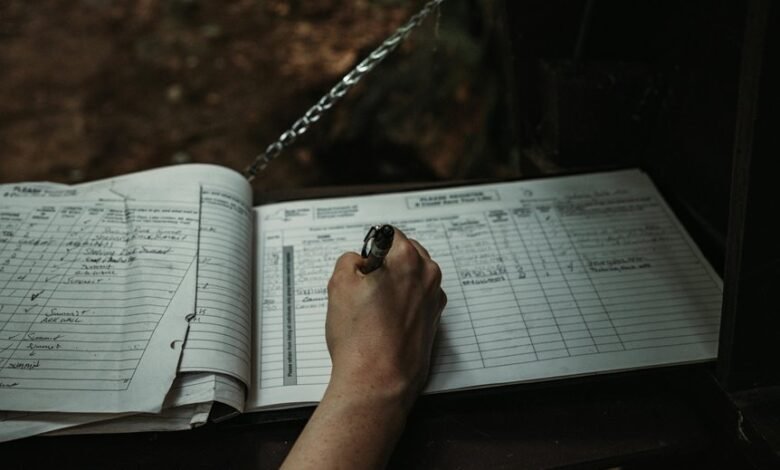
Registry documentation notes and alerts logs for Lirafqarov serve as critical components in maintaining data integrity and security. Accurate documentation not only aids in user navigation but also supports informed decision-making within organizations. Alerts logs play a significant role in identifying potential security threats. However, understanding the nuances of these components is essential for effective compliance and monitoring. What best practices can organizations implement to enhance their documentation and logging processes?
Importance of Accurate Registry Documentation
Accuracy in registry documentation is essential for maintaining the integrity of data management systems.
Registry accuracy ensures that information is reliable, facilitating informed decision-making. Adhering to documentation standards is crucial, as it promotes consistency and clarity.


Best Practices for Documenting Lirafqarov
Although documenting Lirafqarov may present unique challenges, implementing best practices can significantly enhance the quality and reliability of the information recorded.
Utilizing advanced documentation tools ensures clarity in Lirafqarov integration processes. Consistent formatting, thorough version control, and collaborative input foster a more comprehensive understanding.
Regular reviews of documentation help maintain accuracy, ultimately empowering users to navigate Lirafqarov more effectively and confidently.
Understanding Alerts Logs and Their Role
Effective documentation practices not only enhance the understanding of Lirafqarov but also pave the way for the efficient management of alerts logs.
Through alert classification, organizations can systematically categorize potential security threats.
Log analysis plays a crucial role in identifying patterns and anomalies, enabling timely responses.
Together, these processes contribute to a proactive approach in maintaining system integrity and fostering an environment of freedom.
Compliance and Monitoring Through Alerts Logs
Numerous organizations rely on alerts logs as a cornerstone for compliance and monitoring efforts.
By analyzing alert frequency, they can identify anomalies and ensure adherence to regulations.
Effective log retention policies are crucial, allowing organizations to maintain historical data for audits and reviews.
This approach fosters transparency and accountability, enabling entities to uphold their commitment to ethical practices while safeguarding individual freedoms.
Conclusion
In conclusion, the integrity and security of systems hinge on accurate registry documentation and vigilant monitoring of alerts logs. The theory that meticulous documentation can prevent security breaches is substantiated by numerous case studies demonstrating its effectiveness in threat identification and response. By embracing best practices in documenting Lirafqarov and understanding the nuances of alerts logs, organizations not only enhance compliance but also foster a culture of transparency and trust, ultimately safeguarding their data assets.